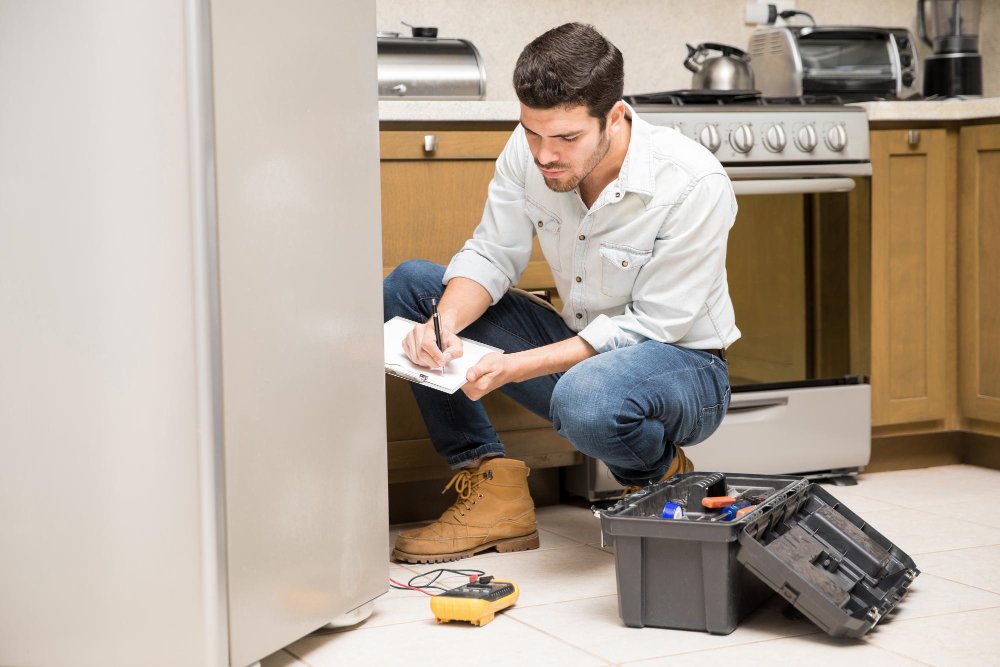
Some electrical problems in a house can’t be fixed with DIY repairs alone, but basic electrical troubleshooting can help you identify warning signs, so you can explain the problem clearly to a qualified electrician.
If you notice a breaker keeps tripping, an outlet stops working, or your lights flicker, the first step is to identify the root cause without opening outlets or handling wiring.
This guide explains what you can safely check yourself, how to recognise common electrical issues in the house, and when to call an electrician.
Before You Start: A Quick Safety Check
Before checking an electrical problem, take a moment to look for warning signs. An outlet that stops working might be because of a simple cause, but heat, burning smells, buzzing, and electric shocks can be a serious problem.
Contact a licensed electrician if you notice any of the following:
- Burning smell or smoke: This could mean that something is overheating or damaged.
- Hot outlet, switch, or plug: Stop using it right away because heat is caused by too much electrical load or a loose connection.
- Buzzing, crackling, or sparks: Stay away from the affected outlet or switch.
- Buzzing electrical panel: Do not open the panel or try to find the cause yourself.
- Repeated breaker trips: If the breaker trips again after one reset, leave it off and call an electrician.
- Electric shock or tingling: Stop using the equipment involved and seek professional help.
If you see smoke, sparks, or signs of fire, move away from the area. Only switch off the main power if you can reach it safely without going near the danger. Otherwise, leave it alone.
If you are still unsure what to do, stop and call a licensed electrician.
Tripped Circuit Breakers: Why Did the Power Go Off?
A circuit breaker cuts off power when it detects too much electrical current or a possible fault. This helps protect your home from electrical damage and fire.
A breaker may trip when you run several high-power appliances on the same circuit. For example, a space heater, microwave, hair dryer, and air conditioner can place a heavy load on a circuit.
What can you safely check?
- First, think about which appliances were running when the power went off. If there are no warning signs, you can unplug devices that are not needed.
- If you know how to operate the breaker safely, you may switch it fully off and back on once. If it trips again, leave it off and contact an electrician.
- Do not keep resetting a breaker to restore power. A breaker that trips repeatedly is giving you a warning sign about an electrical fault.
- If you notice smoke, a burning smell, unusual heat, or buzzing, do not attempt to reset it.
Dead Outlets: Check for a Tripped GFCI
If an outlet stops working, it doesn’t mean that it’s broken. It could be connected to a tripped GFCI outlet somewhere else in your home.
A GFCI, or ground-fault circuit interrupter, helps protect people from electric shock by cutting off power when it detects a possible electrical problem. These outlets are commonly used in kitchens, bathrooms, garages, laundry areas, and outdoor spaces.
One GFCI outlet also protects the nearby outlets, which means a bathroom outlet could stop working even if the GFCI protecting it is in another location.
What can you safely check?
- Check whether other outlets in the same room are working.
- Look for an accessible outlet with TEST and RESET buttons.
- If there are no signs of damage, follow the outlet’s instructions to reset it once.
Do not remove the outlet cover or try to inspect the wiring yourself. If the outlet still doesn’t work or the GFCI will not reset, consider getting in touch with an electrician.
Flickering or Dimming Lights: Is It a Bulb Problem?
Light flickering can be due to a loose bulb, an incompatible dimmer, or a problem with the light fixture. But if lights in several rooms flicker or change brightness, the cause could be more serious.
What can you safely check?
When troubleshooting home electrical problems, notice whether one light flickers or several lights dim at the same time. If only one light flickers, turn it off and let it cool before checking if the bulb is fitted properly. Make sure the replacement bulb is suitable for the fixture and dimmer.
Next, notice when the flickering happens; the details given below can help you find the cause. For example:
- Do the lights dim when the microwave starts?
- Does the problem occur when the air conditioner runs?
- Do lights in different rooms brighten and dim unexpectedly?
Do not ignore repeated flickering, especially when several rooms are affected. It may be linked to a wiring problem, a loose connection, or an issue with the power supply.
If the home needs changes in wiring, a qualified electrical contractor can assess if home wiring installation or other electrical work is needed.
Overloaded Circuits and Outlets: Why Extra Plugs Do Not Help
An overloaded circuit happens when connected devices use more power than the circuit can safely supply. This can cause the breaker to trip. This is where a power strip can give you more places to plug in devices, but it does not increase the amount of power the circuit can handle.
For example, you might connect a computer, monitor, television, speakers, and other equipment to one outlet. Adding a heater or another high-power appliance to the same circuit could cause problems.
To reduce the risk:
- Unplug devices you are not using.
- Avoid plugging one power strip into another.
- Do not use extension cords as permanent wiring.
- Stop using a power strip if it feels hot, smells unusual, or looks damaged.
If you regularly run out of outlets in a room, do not keep adding adapters. Ask a qualified electrician to check whether the outlets and circuits can safely support your equipment.
Hot, Buzzing, or Sparking Outlets: When to Stop
An outlet or switch that feels unusually hot, makes a buzzing or crackling sound, or smells like something is burning can have an electrical fault. These signs should never be ignored. A loose connection or overheating component can create a fire risk.
What should you do?
- Stop using the outlet or switch.
- Keep away from any damaged or sparking equipment.
- Unplug connected devices only if you can do so safely.
- Contact a licensed electrician.
Do not remove the outlet cover, plug in another device to test it, or attempt to repair it yourself.
A small, brief spark can sometimes happen when a plug is connected to an outlet. However, large or repeated sparks, loud noises, heat, discolouration, or a burning smell are warning signs that need attention.
If you see smoke or an electrical fire, move away and contact emergency services. Never pour water on an electrical fire.
Loose Plugs and Damaged Outlets Need Attention
Does a plug fall out of the outlet easily, or does a device lose power when its cord moves? These problems may mean the outlet is no longer holding the plug securely. A loose connection can cause the power to come and go. It may also create heat, even if the outlet appears to work. Cracks, dark marks, and unusual heat are also signs that an outlet may be damaged.
Do not keep moving the plug around to make the device work. If it is safe, unplug the device and stop using that outlet until it has been checked. Never try to tighten the outlet’s internal parts, bend the plug to make it fit, or replace the outlet unless you are qualified to do that electrical work.
Electrical Problems in Older Homes: What Should You Check?
Recurring electrical problems in a house can damage components, wiring, or a circuit that needs professional attention.
Watch for signs such as:
- Flickering or dimming lights
- Breakers that trip often
- Not enough outlets
- Damaged outlets
- Old wiring or electrical panels
Two-prong outlets, older fuse boxes, and aluminium wiring may also be reasons to ask an electrician to assess the system. But it doesn’t mean that the whole house needs new wiring. It is also beneficial for you to check the electrical system after major renovations or when adding equipment that uses more power.
Today’s homes may have televisions, computers, networking equipment, and other devices that place different demands on the electrical system.
Power Surges and Voltage Changes Can Damage Electronics
A power surge happens when more electricity than usual suddenly flows through your home’s wiring. This can happen during a lightning storm or when the power comes back after an outage. For example, a sudden surge can damage your TV or cause your home theater system to stop working properly.
If several devices stop working after a storm or power outage, stop using them and unplug them if it is safe to do so. Troubleshooting electrical problems after a power outage starts with identifying which devices were affected and whether the home still has power.
If you notice burning smells, sparks, or hot outlets, stay away and contact a qualified electrician. Do not assume each device has failed on its own, as the problem could be related to the home’s power supply.
Surge protectors can help protect electronics from certain power surges, but they cannot fix faulty wiring or prevent every type of power problem. This is especially important in home entertainment rooms with televisions, projectors, gaming systems, and AV receivers.
A well-planned home theater installation considers equipment placement, cable management, and how devices connect. R&N Technical provides professional home theater installation, including system design, wiring, speaker placement, calibration, and setup to help ensure everything works together properly.
What Is the Electrical 6-12 Rule?
The electrical 6-12 rule is a National Electrical Code (NEC) requirement that guides outlet spacing along the walls of most living areas in a home. It is often explained using three numbers:
- 2 feet: An unbroken wall section at least 2 feet wide generally needs an outlet.
- 6 feet: No point along a qualifying wall space should be more than 6 feet from an outlet.
- 12 feet: Outlets along the same wall are generally no more than 12 feet apart.
The rule helps homeowners plug in lamps and small appliances without relying on extension cords. Kitchens, bathrooms, and other areas have separate requirements. Local codes may vary, so consult a qualified electrician when adding outlets or renovating.
A Safe Checklist for Troubleshooting Electrical Problems
These electrical troubleshooting steps can help you gather useful information without opening outlets or handling wiring.
- Find out what has stopped working: When electrical problems in a house affect several rooms, note which outlets, lights, and appliances have stopped working.
- Check the device: Look for an unplugged connection or visible damage. Do not use damaged equipment.
- Check the breaker once: If it has tripped and there are no warning signs, you may reset it once if you know how to do so safely. If it trips again, stop.
- Look for a GFCI outlet: If an accessible GFCI has tripped, follow its instructions to reset it once.
- Look for warning signs: Heat, smoke, a burning smell, buzzing, sparks, or dark marks mean you should stop using the affected equipment.
- Notice when the problem happens: Record which appliances were running and whether other rooms were affected.
- Call an electrician if the problem continues: Do not remove outlet covers, open the electrical panel, or test exposed wires.
You do not need to know the technical terms to explain the problem. Simply tell the electrician what stopped working, what you noticed, and when it happened.
Can Smart Devices Help You Spot Electrical Problems?
Some smart energy monitors can show how much electricity your home uses. Certain products can also track individual circuits or send alerts when they detect specific changes. These tools may help you notice unusual energy use, but they cannot replace a proper electrical inspection. A security camera, for example, cannot tell you whether wiring behind a wall is faulty.
For connected devices such as security cameras, smart doorbells, and home entertainment systems, a reliable network is also important. R&N Technical helps homeowners plan and install technology systems, including home networking, smart-home devices, and surveillance equipment.
For businesses looking at commercial video surveillance cameras, good camera placement, reliable networking, and suitable coverage all help make the system useful. However, suspected electrical faults must be checked by an appropriately qualified electrical professional.
How to Prevent Common Electrical Problems
A few simple habits can help reduce electrical risks at home.
- Replace damaged cords and plugs instead of continuing to use them.
- Do not plug one power strip into another.
- Avoid connecting too many high-power devices to one outlet.
- Test GFCI protection according to the manufacturer’s instructions.
- Do not keep resetting a breaker that trips repeatedly.
- Pay attention to problems that affect several rooms or appliances.
- Consider an electrical inspection after major renovations or when adding equipment that uses a lot of power.
It also helps to plan technology installations before buying or connecting equipment. Knowing where your devices will go, how they will connect, and what your home can support can reduce cable clutter and avoid some common setup problems.
Next Steps
If an electrical issue keeps happening, do not keep resetting breakers or trying different outlets to see if the issue goes away. Contact a licensed electrician to find and fix the cause.
Once the electrical system is safe, R&N Technical can help with home technology projects such as home theater installation, networking, security cameras, and smart-home systems.
Visit R&N Technical to learn more about its technology installation services.
Also Read
Frequently Asked Questions
Q1. What is the 6-12 rule in electrical wiring?
The 6-12 rule generally means that outlets should be placed so that no point along a qualifying wall space is more than six feet from an outlet. Local electrical codes and exceptions determine the exact requirements.
Q2. How do I know if I can fix an electrical problem myself?
You can do simple checks, such as replacing a bulb, unplugging a device, or resetting a breaker or accessible GFCI, when it is safe. If you notice heat, burning smells, shocks, sparks, damaged wiring, or repeated breaker trips, call an electrician.
Q3. How often should I have my home’s electrical system inspected?
There is no single inspection schedule for every home. The home’s age, wiring condition, renovation history, new electrical needs, and any recurring problems can help determine when an inspection is needed.