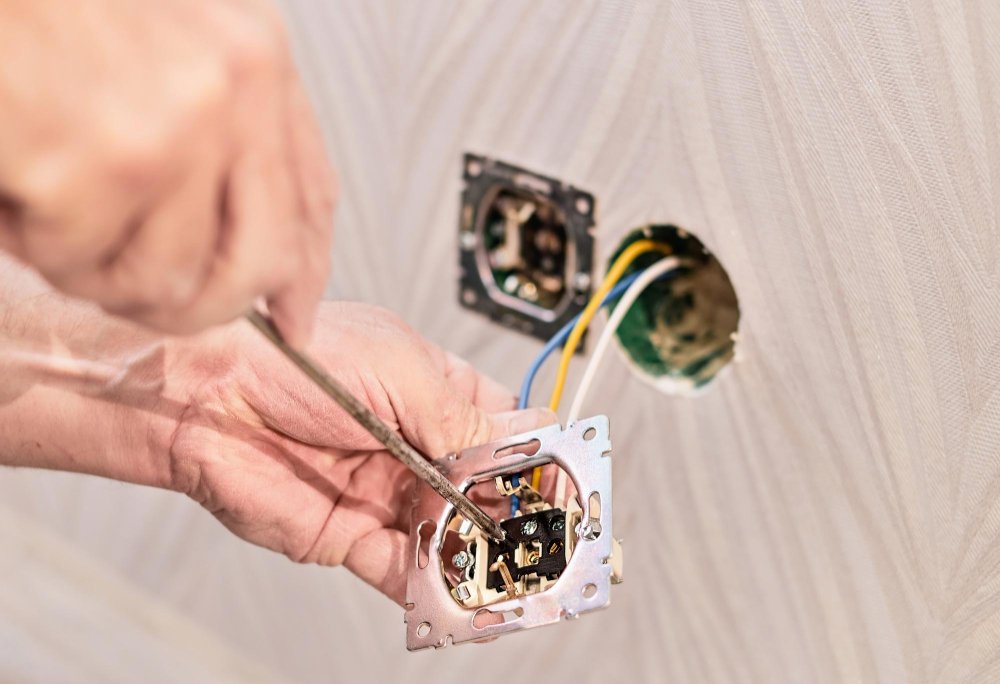
There are five main types of electrical installation: residential, commercial, industrial, outdoor, and specialized low-voltage systems. Each type serves a different purpose and follows different wiring methods, power requirements, and safety standards.
If you’re planning a renovation, building a new property, or adding technology like security cameras or a home theater, understanding the right type of electrical installation can help you make better decisions from the start.
The five main categories are:
- Residential electrical installation
- Commercial electrical installation
- Industrial electrical installation
- Outdoor and underground electrical installation
- Specialized low-voltage installation
1. Residential Electrical Installation
Residential electrical work covers the systems that power your home.
This includes:
- Electrical panels
- Outlets and switches
- Lighting circuits
- GFCI and AFCI protection
- Appliance wiring
- Smart home wiring
In most homes, electricians use non-metallic sheathed cable, commonly known as Romex (NM cable). It’s practical, cost-effective, and suited for standard residential environments.
A new construction project differs significantly from a renovation. In a new build, electricians start with a blank slate. In an older home, they often work around existing wiring, outdated panels, and structural limitations.
Panel upgrades have become increasingly common as homes add:
- Electric vehicles
- Smart home devices
- Home offices
- Entertainment systems
Many homeowners don’t realize that modern additions often require additional electrical capacity.
If you’re upgrading your home’s electrical system, a proper setup can also support modern add-ons like home theaters and smart entertainment systems.
2. Commercial Electrical Installation
Commercial buildings place different demands on electrical systems.
Offices, retail stores, schools, restaurants, and multi-tenant buildings require more power, more circuits, and greater reliability than a typical home.
Commercial projects often include:
- Three-phase power systems
- Emergency lighting
- Backup power systems
- Structured cabling
- Network infrastructure
- Security systems
Unlike residential work, commercial installations frequently use conduit and MC cable instead of Romex. These methods provide additional protection and make future modifications easier.
Another major difference is data infrastructure. Today’s businesses depend on reliable connectivity. That’s why network installation services are often included alongside electrical work to support internet access, phones, surveillance systems, and connected devices.
Commercial electrical work also falls under stricter regulations. This is not a DIY project. Proper licensing, permits, and inspections are required throughout the process.
3. Industrial Electrical Installation
Industrial facilities operate on a different scale entirely.
Factories, manufacturing plants, warehouses, and processing facilities often use systems exceeding 480 volts. The installation of electrical systems in these environments involves equipment that most property owners never encounter.
Examples include:
- Motor control centers
- Industrial machinery
- Automation controls
- Programmable logic controllers (PLCs)
- High-capacity transformers
Safety becomes a major priority.
Industrial electricians work with:
- Lockout/tagout procedures
- OSHA regulations
- NEC compliance
- Specialized conduit systems
Downtime can cost thousands of dollars per hour in some facilities. That makes reliability just as important as performance.
The installation of electrical systems in industrial settings requires specialized training and extensive planning long before any wiring begins.
4. Outdoor & Underground Electrical Installation
Outdoor installations face challenges that indoor systems never encounter.
Moisture, temperature changes, UV exposure, and soil conditions all affect performance.
This category includes:
- Landscape lighting
- Parking lot lighting
- Outdoor outlets
- Pool equipment wiring
- Street lighting
- Underground power runs
- EV charging stations
Electric vehicle charging stations have become one of the fastest-growing segments of outdoor electrical work.
Many homeowners assume adding an EV charger is straightforward. In reality, it often requires panel evaluations, dedicated circuits, and load calculations.
Underground installations require additional planning because cables must be protected from moisture, shifting soil, and accidental damage. Direct-burial cable and weatherproof conduit are commonly used depending on the application.
5. Specialized Low-Voltage Electrical Installation
This category often gets overlooked, yet it’s one of the fastest-growing areas of modern technology.
Low-voltage systems use less power than traditional electrical systems but still require professional planning and installation.
Examples include:
- Security cameras
- Home theaters
- Smart home systems
- Structured network cabling
- Intercom systems
- Access control systems
For many homeowners, when they think about the installation of electrical systems, these are the projects they’re actually planning.
A home theater isn’t just a TV and speakers. It may involve hidden wiring, networking, equipment racks, surround sound systems, and automation.
Security cameras require proper placement, coverage planning, network integration, and reliable power sources.
This is where companies like RN Technical specialize. Whether you’re looking for home theater services, the best security camera installation services, or professional network installation services, low-voltage systems require a different skill set than traditional electrical work.
These projects may not power your home, but they shape how you use it every day.
You May Also Like
- The Ultimate Home Theater Setup Guide for 2026
- Wired vs Wireless Security Cameras: What Actually Works Better Long-Term?
What Is the First Stage of Installing Electrical Wiring Called?
The first stage is called the rough-in phase.
If you’ve ever asked, “what is the first stage of installing electrical wiring called?”, the answer is simple: rough-in.
During rough-in, electricians install:
- Electrical boxes
- Conduit
- Wire runs
- Mounting hardware
This happens before drywall is installed.
Once rough-in is complete, inspectors verify that everything meets code requirements. After approval, walls are closed, and electricians return later for the finish stage, where outlets, switches, fixtures, and devices are installed.
Think of rough-in as building the framework that everything else depends on.
What Are the 4 Types of Electrical Wiring?
Several wiring methods are used depending on the project.
NM Cable (Romex)
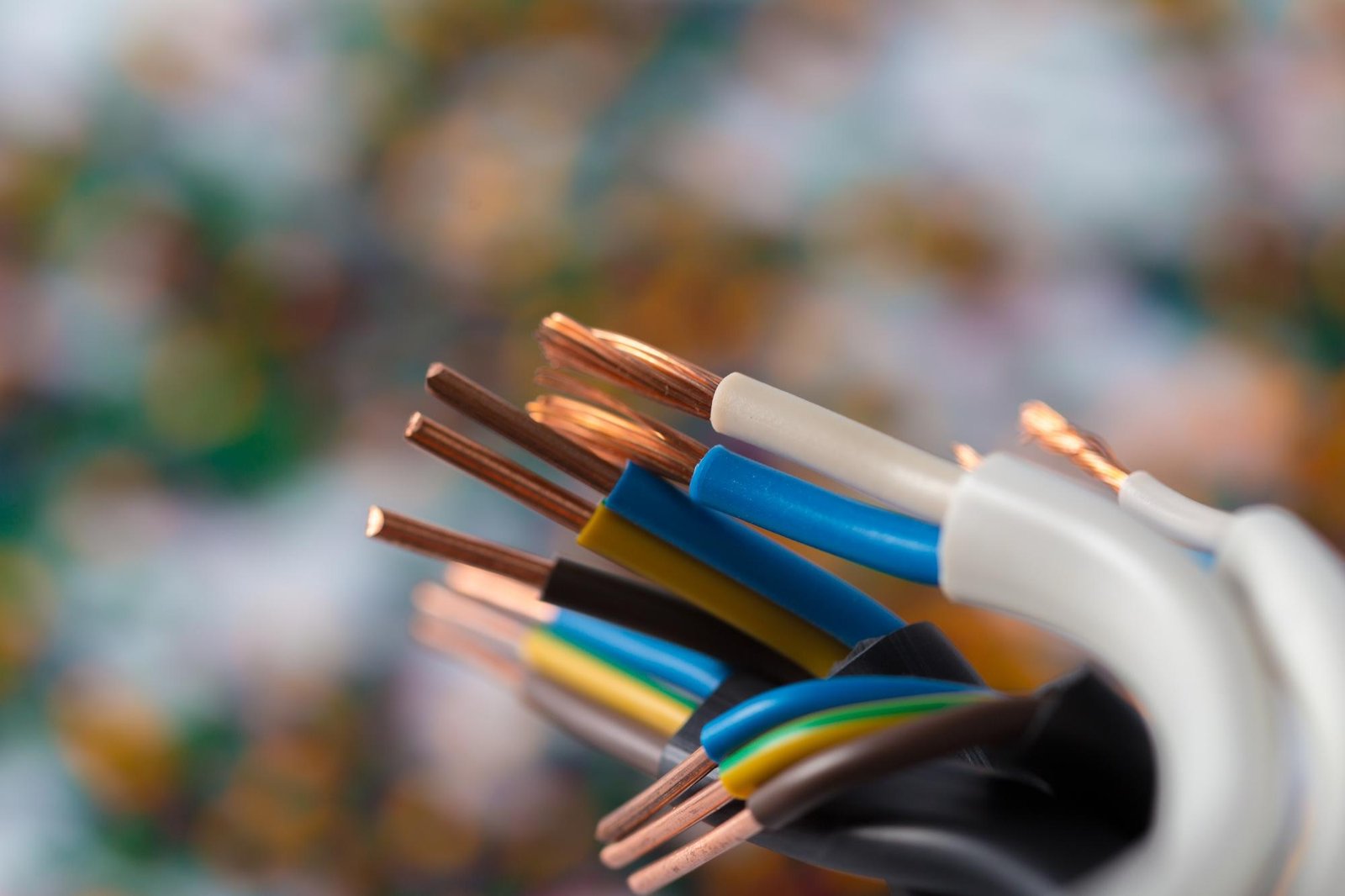
The standard choice for residential construction. Easy to install and widely used in homes.
Armored Cable (BX/MC)
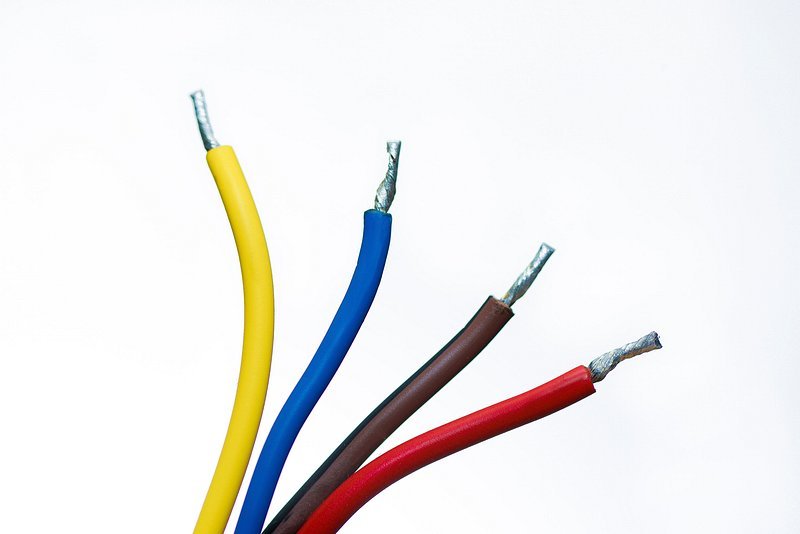
Protected by a metal covering. Common in commercial environments where additional protection is needed.
Conduit Wiring
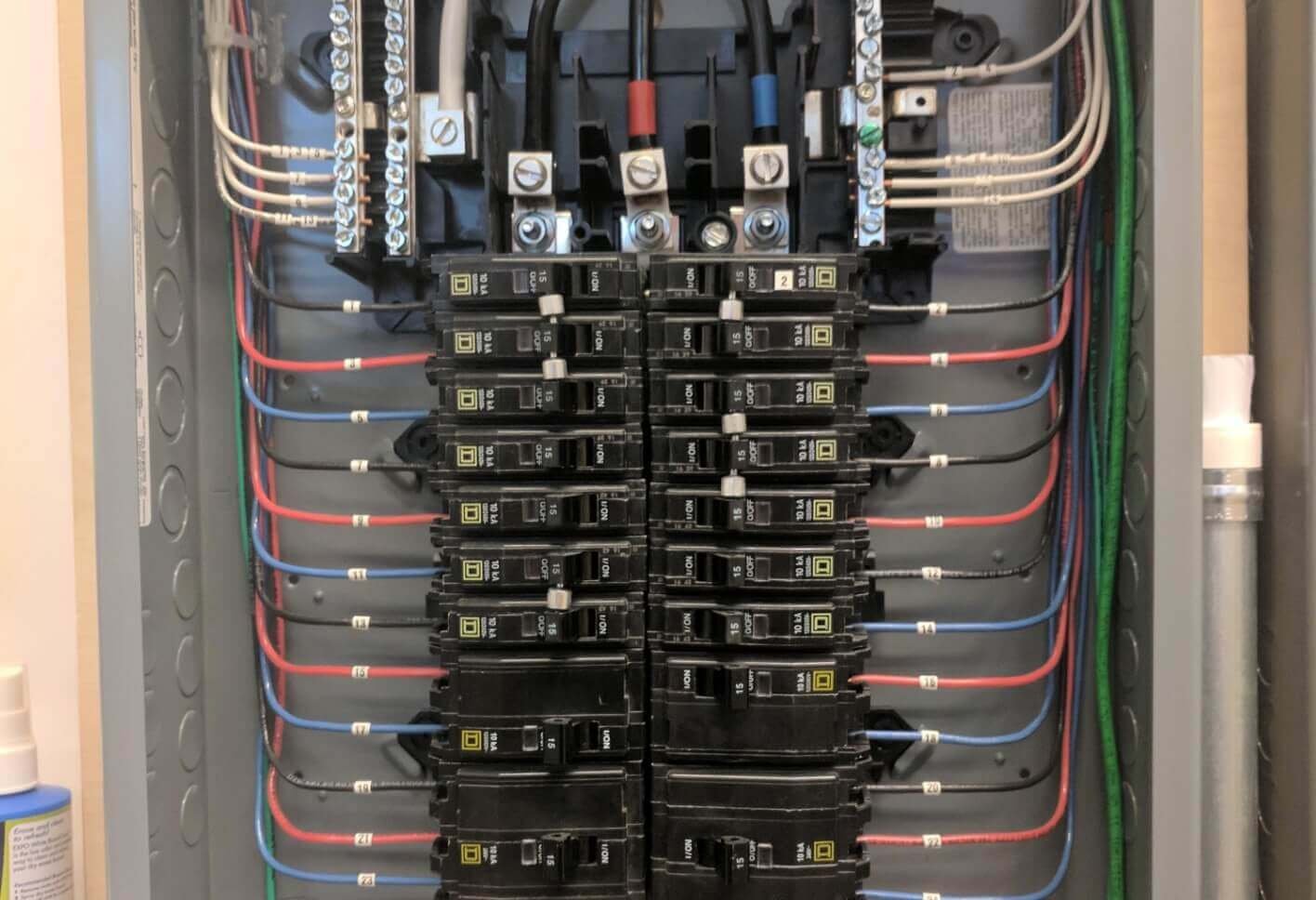
Wires run inside metal or PVC conduit. Frequently used in commercial and industrial applications.
Low-Voltage Cable
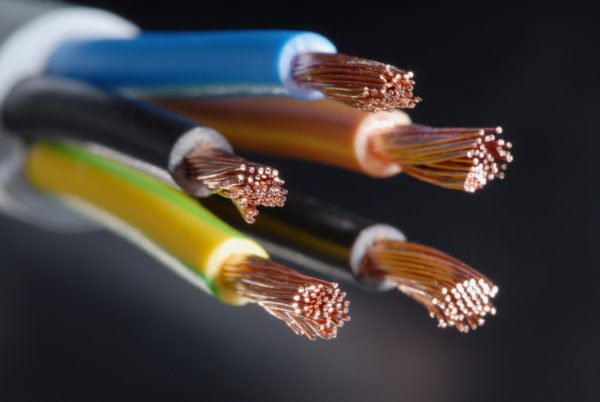
Used for internet, audio, security cameras, and communication systems. This wiring powers many modern technology systems.
How Does a Complete Electrical Installation Work?
Complete electrical installations generally follow four stages.
1. Planning and Design
The project begins with load calculations, circuit planning, and equipment selection.
2. Rough-In
Wiring, conduit, and electrical boxes are installed before walls are finished.
3. Inspection and Testing
Inspectors verify compliance with NEC requirements and local codes.
4. Final Installation
Devices, fixtures, outlets, switches, and equipment are connected and tested.
From a homeowner’s perspective, the process feels straightforward. Behind the scenes, every stage depends on careful planning and coordination.
What Do You Need to Know Before Installing Electrical Systems?
If you’re wondering what do you need to know to install the electrical, start with these basics:
- Permits may be required
- NEC codes must be followed
- Load calculations determine capacity
- Licensed professionals are often required
- Inspections protect safety and compliance
Electrical work affects both safety and insurance coverage. That’s why proper planning matters from the beginning.
What Are the 7 Electrical Tests?
Electrical systems undergo testing before they’re approved for use.
The seven common tests include:
- Continuity Testing
Verifies that conductors are connected correctly. - Insulation Resistance Testing
Checks for damaged insulation or leakage. - Polarity Testing
Ensures devices are wired correctly. - Earth Fault Loop Impedance Testing
Measures how quickly protective devices respond to faults. - RCD Testing
Confirms residual current devices operate correctly. - Prospective Fault Current Testing
Evaluates potential fault current levels. - Functional Testing
Verifies that switches, outlets, and equipment work properly.
These tests help identify issues before the system is placed into service.
What Is Level 3 Electrical Installation?
Level 3 electrical installation is a qualification term commonly used in the UK and other international training programs.
It refers to advanced electrical training covering commercial and industrial systems.
In the United States, the closest comparison would be the progression from apprentice to journeyman and eventually master electrician.
The concept is similar: higher qualifications allow electricians to handle more complex projects and responsibilities.
Which Type of Electrical Installation Do You Need?
The answer depends on the project.
If you’re wiring a home, you need residential electrical services.
If you’re building out an office, retail store, or commercial facility, commercial electrical work is the right fit.
If your project involves manufacturing equipment or industrial machinery, industrial specialists are required.
For technology-focused upgrades such as security cameras, structured networking, and entertainment systems, a low-voltage specialist is often the better choice.
That’s where RN Technical can help. Whether you’re planning a home theater, security camera system, or network infrastructure upgrade, choosing the right expertise at the start can save time, money, and frustration later.
FAQs
How long does a complete electrical installation take?
A residential project may take a few days to several weeks depending on size and complexity. Commercial and industrial projects often take longer.
What is the difference between electrical installation and electrical maintenance?
Installation involves building or upgrading a system. Maintenance focuses on inspecting, repairing, and servicing existing equipment.
Can I do my own electrical installation in the US?
Some jurisdictions allow limited DIY work. Permits, inspections, and code requirements still apply. Complex projects should always be handled by licensed professionals.
What is the importance of electrical installation in a home or business?
A properly designed installation supports safety, reliability, and future expansion while reducing the risk of failures and hazards.
How do I know if my electrical installation needs upgrading?
Frequent breaker trips, outdated panels, flickering lights, and increased power demands are common signs that an upgrade may be needed.